If you're a fashion brand or designer looking to source silk from China, two names probably come to mind first: Suzhou and Hangzhou. These cities have long been famous for their silk heritage, and for good reason. But there's a third city that deserves your attention — Nanchong, China's true Silk Capital.
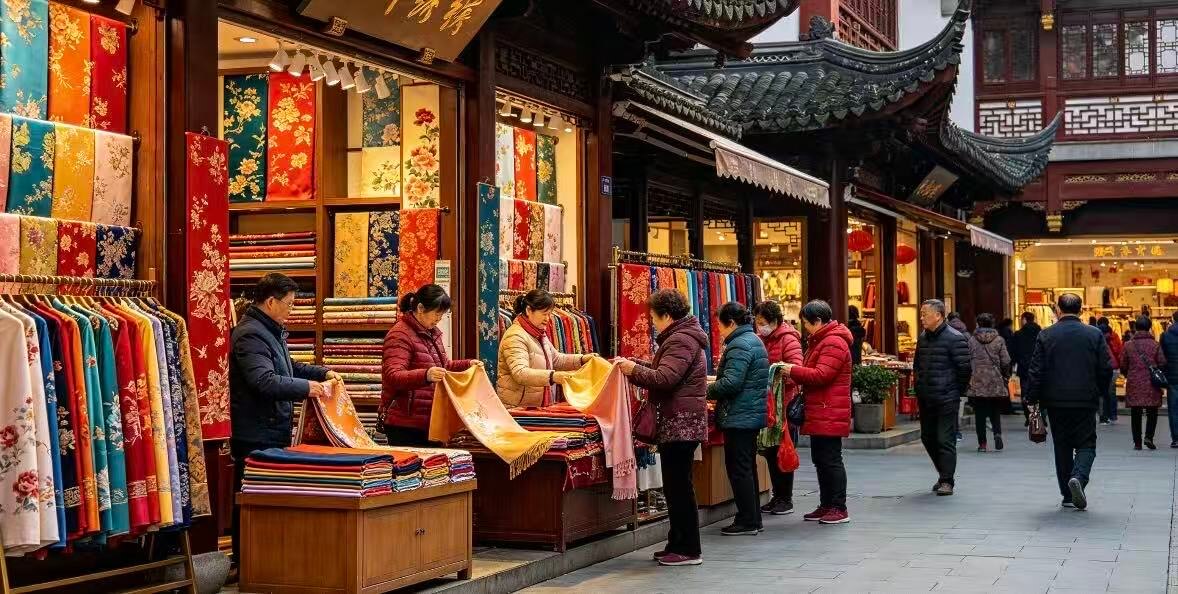
As someone who lives and works in Nanchong, I see this every day: buyers come to Suzhou or Hangzhou, pay premium prices, and often miss out on better quality and better value from Nanchong — simply because they don't know what to look for.
In this guide, I'll give you an honest, practical comparison of these three silk-producing regions. No hype. Just what you need to know to make smarter sourcing decisions.
The Three Silk Capitals: A Quick Overview
| Suzhou | Hangzhou | Nanchong | |
|---|---|---|---|
| Reputation | "Heaven's silk city" — most famous internationally | "Home of the Chinese silk industry" — historical center | "The birthplace of silk" — 3,000+ years of continuous production |
| Key Advantage | Brand recognition, tourism infrastructure | Historical prestige, strong government backing | Unbeatable value, direct mill access, 6A grade quality |
| Typical Buyer | Luxury brands, tourists, designers seeking the "Suzhou name" | Large corporations, traditional fashion houses | Small to mid-sized brands, designers who prioritize value and quality |
| MOQ Flexibility | Moderate (300–500m+ common) | Moderate to high (500–1,000m+ common) | High (100m accepted, samples readily available) |
| Price Level | Highest | High | Most competitive |
Suzhou: The Name You Know
Suzhou is arguably the most famous silk city outside of China. Its history dates back over 2,000 years, and it's been a favorite of emperors and traders alike. Today, Suzhou remains a hub for high-end silk brocade, embroidery, and luxury fabrics.
What Suzhou does well:
- Brand prestige — The "Suzhou" name carries real weight in fashion circles.
- Embroidery and brocade — Suzhou is unmatched for intricate, handcrafted silk brocade and embroidery pieces.
- Tourism infrastructure — Easy to visit, with excellent showrooms and museums.
The downsides for small brands:
- Premium pricing — You're paying for the name. Suzhou silk often costs 20–40% more than comparable quality from other regions.
- Tourist-focused — Many mills cater to tourists and gift shops, not serious B2B buyers.
- Higher MOQs — Suzhou mills are accustomed to large orders from established brands.
Hangzhou: The Historical Giant
Hangzhou has been China's silk center for centuries. It's home to the legendary China National Silk Museum and has a rich history dating back to the Liangzhu culture (4,700+ years). Hangzhou silk is closely associated with the "Southern Silk Road" and has been a key player in China's silk exports for generations.
What Hangzhou does well:
- Historical prestige — The "Hangzhou" name is synonymous with quality silk.
- Government support — Strong provincial backing means Hangzhou mills have access to advanced R&D and technology.
- Raw silk quality — Hangzhou produces significant volumes of 4A–6A raw silk.
The downsides for small brands:
- Large-scale focus — Many Hangzhou mills prioritize big clients and international bulk orders.
- Less flexible — Smaller orders (under 300m) can be difficult to place.
- Brand premium — Like Suzhou, you're paying a premium for the label.
- Less personal — With so many mills, it's hard to find a partner who truly cares about your small-batch needs.
Nanchong: The Value & Quality Powerhouse
Nanchong is where it all began. For over 3,000 years, this city has been producing silk continuously. Today, it's the most concentrated center for 6A grade mulberry silk in the world — and its raw silk is the very material that many Suzhou and Hangzhou mills use to create their fabrics.
What Nanchong does exceptionally well:
- Value for money — You get 6A grade silk at a fraction of the price you'd pay in Suzhou or Hangzhou.
- True 6A grade — Nanchong produces more 6A raw silk than any other region in China.
- Small-batch friendly — Many mills have adapted to serve small brands, with 100m MOQs and sample orders readily available.
- Full-chain integration — From silkworm rearing to reeling, weaving, dyeing, and finishing — everything is within a 50km radius.
- Personal relationships — Because the industry is less corporate, you can build direct, lasting partnerships with mill owners.
The downsides:
- Less brand recognition — Nanchong isn't a household name yet. But for savvy buyers, that's an advantage.
- Fewer showrooms — Most mills focus on production, not marketing.
Deep Dive: What Buyers Really Need to Know
Product Quality: The 6A Advantage
All three regions produce 6A silk, but Nanchong has the highest concentration of 6A mulberry silk production. Why?
- Nanchong's climate and soil are ideal for mulberry trees and silkworms.
- The region has centuries of accumulated expertise in silkworm rearing and reeling.
- Local government and cooperatives have invested heavily in quality control and grading systems.
What this means for you: When you source from Nanchong, you're more likely to get genuine 6A silk, not a lower grade being passed off as 6A.
Supply Chain Differences
| Suzhou | Hangzhou | Nanchong | |
|---|---|---|---|
| Raw silk sourcing | Often imports raw silk from other regions | Imports from Nanchong, Guangxi, or abroad | Produces its own raw silk (full chain) |
| Weaving | Highly specialized, especially for brocade | Wide range, from mass production to luxury | Versatile — satin, crepe, and chiffon focus |
| Dyeing & finishing | Good, but often outsourced | Strong capabilities | Integrated; many mills offer in-house dyeing |
| Lead time | 30–45 days | 25–40 days | 20–30 days (shorter due to integration) |
Cost Breakdown: Where Your Money Goes
To give you a clear picture, here's an estimated cost breakdown for 25mm charmeuse satin (6A grade) from each region.
The figures below are based on verified 2026 ex-factory prices from Nanchong mills (dyed finished fabric, excluding freight and VAT), converted at USD/CNY 7.27. Suzhou and Hangzhou estimates reflect the typical premium buyers pay through trading companies and branded showrooms.
| Cost Component — 19mm Charmeuse | Suzhou | Hangzhou | Nanchong |
|---|---|---|---|
| Greige fabric (unfinished) | $8.50–9.50/m | $8.00–9.00/m | $7.50–8.50/m |
| Dyeing & finishing | $4.00–5.50/m | $3.50–5.00/m | $3.00–4.00/m |
| Inspection, packaging & freight prep | $0.80–1.20/m | $0.60–1.00/m | $0.40–0.60/m |
| Brand / channel premium | 30–50% | 20–35% | 0–10% (direct) |
| Approx. FOB price | $24–28/m | $21–25/m | $19–20/m |
| Cost Component — 25mm Charmeuse | Suzhou | Hangzhou | Nanchong |
|---|---|---|---|
| Greige fabric (unfinished) | $17.00–19.00/m | $16.00–18.00/m | $14.00–16.00/m |
| Dyeing & finishing | $5.50–7.00/m | $5.00–6.50/m | $4.00–5.50/m |
| Inspection, packaging & freight prep | $1.00–1.50/m | $0.80–1.20/m | $0.50–0.80/m |
| Brand / channel premium | 30–50% | 20–35% | 0–10% (direct) |
| Approx. FOB price | $46–56/m | $41–49/m | $35–37/m |
When you buy from Suzhou or Hangzhou, you're often paying a premium for the brand, not the quality. Many of these mills source their raw silk from Nanchong (and other regions), then add their own markup for showrooms, sales teams, and the label. You can get the same — or better — quality from Nanchong at a significantly lower price.
Which Region Should You Choose?
Choose Suzhou if:
- You need intricate brocade or embroidery work.
- You're a luxury brand and the "Suzhou" label matters to your customers.
- You're visiting China and want a polished showroom experience.
Choose Hangzhou if:
- You're placing very large orders (1,000m+ per color).
- You value historical prestige and government-backed quality assurance.
- You need a wide range of product types from one supplier.
Choose Nanchong if:
- You're a small to mid-sized brand looking for value and quality.
- You need flexible MOQs (100m or less).
- You want direct mill relationships without middlemen.
- You prioritize 6A grade quality at competitive prices.
How to Source from Nanchong: A Practical Guide
If you're ready to explore Nanchong, here's how to do it smartly:
- Start with a small trial order. Order 100–200m of a standard fabric (like 19mm or 25mm charmeuse) to test quality and reliability.
- Request samples first. Any good mill will send you swatches for a nominal fee. Approve them before committing.
- Work with a local partner. Having someone on the ground in Nanchong makes all the difference. They visit mills on your behalf, verify quality before you commit, inspect every roll before shipment, attach anti-fake labels for traceability, and coordinate logistics.
- Negotiate directly. Nanchong mills are used to direct communication. Be clear about your quality expectations and budget.
- Build a long-term relationship. Once you find a good mill, invest in that partnership. They'll prioritize your orders and alert you to issues before they become problems.
"Nanchong's 3,000-year history, unparalleled 6A quality, small-batch flexibility, and integrated supply chain make it the best-kept secret in the silk world."
Frequently Asked Questions
I find. I check. You relax.