You've approved the sample. You've placed the order. The fabric arrives and looks beautiful. Then you wash it – or your customer does – and the colour fades, bleeds onto other fabrics, or changes shade entirely.
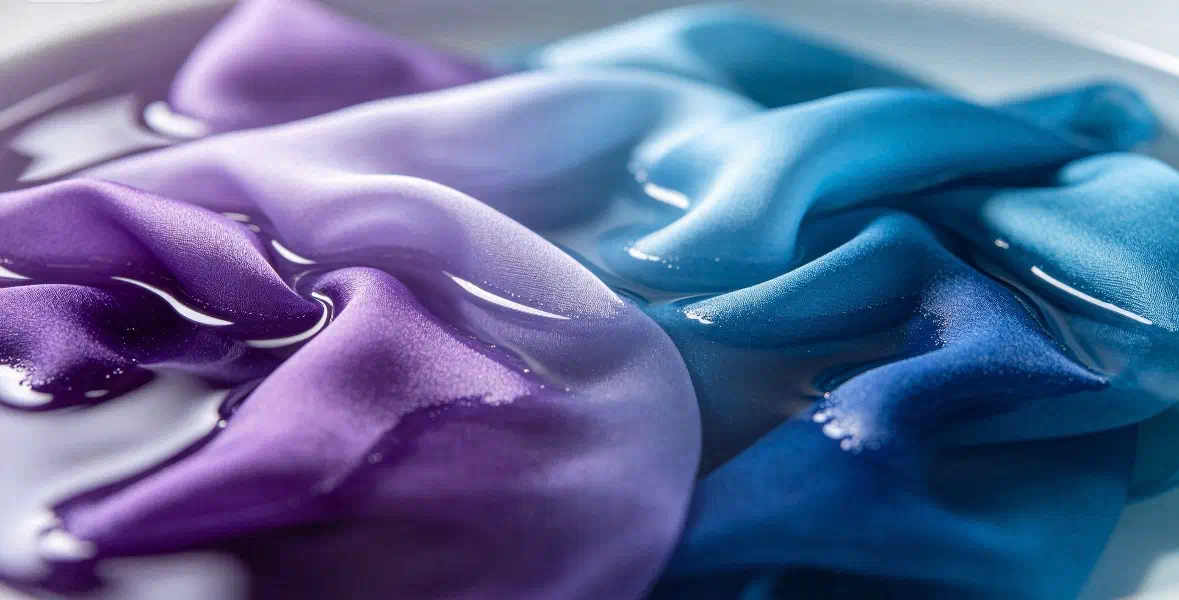
This is one of the most common quality complaints in silk sourcing. And it's almost always preventable – if you understand colour fastness.
What Is Colour Fastness?
Colour fastness is a fabric's resistance to fading or colour transfer under various conditions. In simple terms: how well does the colour stay where it's supposed to be?
For silk, this is particularly important. Silk is a protein fibre, and its dyeing properties differ significantly from cotton or synthetics. Poor colour fastness can ruin garments, damage other fabrics in the wash, and leave your customers with a product they can't trust.
Why Is Silk Prone to Colour Issues?
Silk's structure makes it both a pleasure to dye and a challenge to stabilise.
Unlike cotton, which is cellulose-based, silk is protein-based. It takes dye beautifully – which is one reason it's so prized. But the same protein structure that accepts dye readily can also release it if the dyeing and fixing processes aren't done correctly.
The key factors that affect silk colour fastness are:
- Dye type: Acid dyes are most common for silk. They bond well but require careful fixation.
- Fixation process: If the dye isn't properly fixed, it will wash out over time.
- pH control: Silk is sensitive to pH. Alkaline conditions can damage the fibre and affect dye stability.
- Temperature management: High temperatures during dyeing or finishing can weaken fibre-dye bonds.
- Finishing treatments: Some softeners or finishes can affect colour stability.
The Four Main Colour Fastness Tests
When a supplier says "our fabric has good colour fastness", you need to ask: which fastness?
There are four standard tests that matter for silk.
1. Wash Fastness
This measures how well the colour resists fading or bleeding during washing. The test subjects the fabric to a standardised washing procedure – with soap, at a set temperature and time – and measures colour change and staining on adjacent fabrics (usually cotton and wool).
What the grades mean:
| Grade | Description | What It Means for You |
|---|---|---|
| 5 | Excellent | No colour change or bleeding. Rare for silk. |
| 4 | Good | Slight change, barely visible. Acceptable for most garments. |
| 3 | Fair | Noticeable change. May be acceptable for dark colours or non-critical items. |
| 2 | Poor | Significant change. Likely to cause complaints. |
| 1 | Very Poor | Severe change. Unacceptable for any garment. |
For most silk garments, a wash fastness grade of 4 or above is desirable. For dark colours, grade 3 may be acceptable if communicated clearly to customers.
2. Light Fastness
This measures resistance to fading when exposed to light – specifically sunlight. It's critical for silk products that will be displayed, worn outdoors, or stored in bright conditions.
Light fastness is tested by exposing the fabric to a xenon arc lamp (simulating sunlight) for a set number of hours, then comparing colour change against a blue wool scale.
- Light fastness is rated from 1 (very poor) to 8 (excellent).
- For silk, a rating of 4 to 6 is typical.
- Light fastness depends heavily on dye colour. Dark blues, blacks, and reds often have lower light fastness than pastels.
- If you're making products that will be exposed to sunlight (e.g., scarves, outdoor clothing), demand a light fastness grade of 5 or above.
3. Rubbing Fastness (Crocking)
This measures colour transfer when the fabric is rubbed – either dry or wet. It's especially relevant for deep-coloured silks, where excess dye can rub off onto skin or other fabrics.
The test uses a standardised rubbing instrument (a crockmeter) to rub a white cloth against the fabric, both dry and wet, and then grades the colour transfer.
- Grades are from 1 (poor) to 5 (excellent).
- For silk, a grade of 4 or above for dry rubbing and 3-4 or above for wet rubbing is generally acceptable.
- Dark colours may have lower wet rubbing fastness. This is normal, but should be understood before ordering.
4. Perspiration Fastness
This measures colour stability when exposed to sweat – important for garments worn next to the skin.
The test simulates both acidic and alkaline sweat (different people have different sweat pH) and evaluates both colour change and staining.
- Perspiration fastness is often lower than wash fastness on silk.
- If you're making sportswear, summer dresses, or any garment with direct skin contact, this test is essential.
- A grade of 3-4 or above is recommended for silk garments.
Different fastness tests measure different real-world conditions. A fabric can have excellent wash fastness but poor light fastness. Always specify which fastness you need for your product's end use.
How to Read a Test Report
When your supplier provides a colour fastness test report, here's what you need to look for:
- Test method. Which standard was used? ISO 105 is the most common international standard. Different standards use different conditions – washing temperature, soap type, duration – which affect the results.
- Colour change grade. The grade for the tested fabric itself.
- Staining grade. The grade for how much colour transferred to adjacent fabrics (typically cotton and wool). This is particularly important if your garment will be worn with other colours.
- Sample preparation. Was the sample pre-washed before testing? Pre-washed samples often show different results than raw samples.
- Lab accreditation. Was the test done by an accredited lab (e.g., SGS, Intertek, Bureau Veritas)?
What to Ask Your Supplier
Before you place a bulk order, ask these questions about colour fastness:
- "Can you share your test reports for this colour?"
A reliable supplier will have test reports on file. Ask specifically for wash fastness, light fastness, and rubbing fastness. - "What standard do you use for testing?"
ISO 105 is the most common. Some suppliers may use AATCC (US) or GB (China) standards. They're all valid, but make sure you understand the test conditions. - "Are these reports for this specific batch?"
Reports from a previous batch don't guarantee the current batch will perform the same. For critical orders, consider batch-specific testing. - "Can you provide a lab dip for colour fastness testing?"
Before bulk production, a lab dip sample can be tested to confirm colour fastness meets your requirements. - "What's your policy if the bulk fabric fails colour fastness testing?"
Clarify this before you order. Will they replace it? Refund it? Adjust the price?
Why This Matters for Your Brand
Colour fastness issues don't just affect customer satisfaction – they affect your brand reputation. A customer whose silk shirt bleeds onto their white blouse in the wash won't blame the supplier. They'll blame your brand.
Understanding colour fastness allows you to:
- Specify quality standards in your purchase contracts.
- Choose the right colours for the right applications (e.g., avoiding low-light-fastness colours for scarves).
- Communicate clearly with suppliers about your expectations.
- Set proper customer expectations through care labelling.
A Final Note: Dark Colours Are Different
One thing many buyers don't realise: dark colours (black, navy, deep red) have inherently lower colour fastness than pastels. This is due to the higher dye concentration required and the mechanics of dye-fibre bonding.
If you're ordering dark silk, you should:
- Expect lower wash and rubbing fastness grades.
- Request wet rubbing fastness specifically – it's usually lower than dry.
- Consider pre-washing before manufacturing to remove excess dye.
- Communicate care instructions clearly to your customers.
How Silk.Sale Checks Colour Fastness
When I inspect silk in Nanchong, I don't just check colour consistency – I also verify that the supplier has valid, up-to-date colour fastness test reports for each batch. If the reports don't match the required standards, I flag it before shipment.
I also check the actual fabric by doing a simple water test on samples – soaking a piece in warm water for 30 minutes to check for dye bleed. It's not a lab test, but it's a fast, effective way to catch obvious colour fastness problems before they become your problem.
Colour fastness is one of those things you don't notice until it fails. By then, it's too late. Ask the right questions upfront – and you won't have to answer angry customer emails later.
Frequently Asked Questions
I find. I check. I seal. You relax.